

*This article includes spoilers for Stargirl: The Lost Children #4*
Hearing customers in comic stores saying, “No one asked for this. Why are we getting this?” Upon the announcement of Flashpoint Beyond (2022), it was clear something was awry. Flashpoint (2011) was becoming a stake in the bubble of weekly comic store reservists, and Flashpoint Fatigue was born.
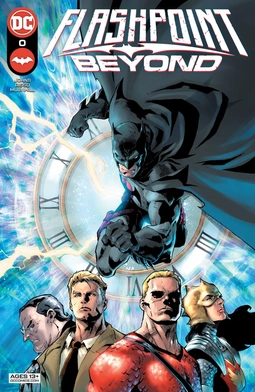
Geoff Johns has been an active writer since the 1990s, with his first big project on David Goyer and James Robinson’s JSA (1999) series. Since then, he has helmed many notable projects: Green Lantern Rebirth (2004), Green Lantern (2005), Blackest Night (2009) Booster Gold (2007), The Flash Rebirth (2009), and most notably, Flashpoint (2011).
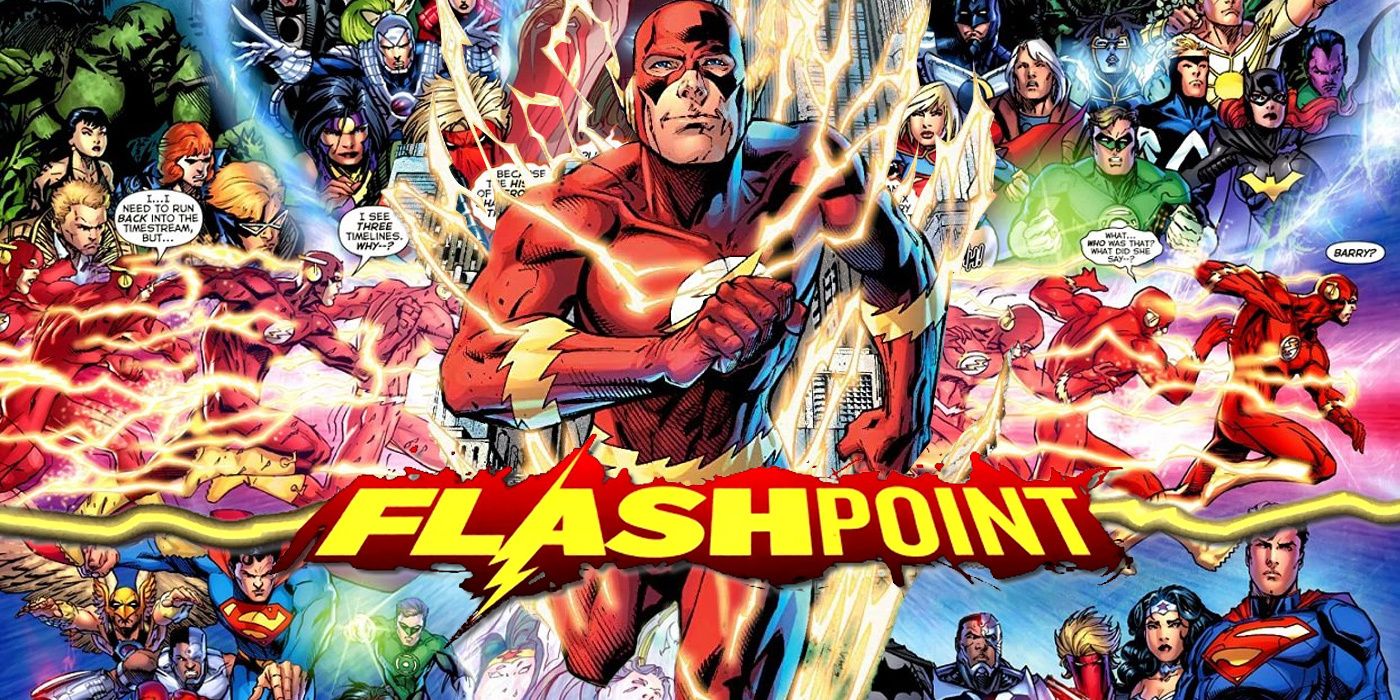
The foundational story, Flashpoint, is where main character Barry Allen (The Flash) ran back in time to save his mother from the murdering hands of Reverse Flash. This action destroyed the DC Universe and created the “Flashpoint timeline”. To erase the flashpoint timeline, Barry allowed Reverse Flash to murder his mother. But when he returned to the present, Barry found himself in “The New 52 timeline”, where everything was completely different. Barry Allen (and Geoff Johns) rebooted the DC Universe.
This event paved the way for new storytelling—arguably worse storytelling—and a little thing called Flashpoint Fatigue. Almost everything Johns has written since has been a sequel or has a tie-in to Flashpoint. It is an infinite loop that one of DC’s great writers has found himself trapped in. Here are his latest Flashpoint tie-ins:
- DC Rebirth (2016)
- Doomsday Clock (2017)
- Flashpoint Beyond (2022)
- Stargirl: The Lost Children (2022)
- Justice Society of America (2022).
This is essentially everything Johns has written since Flashpoint (minus Justice League (2011) and Three Jokers (2020)). While this is great for continuity among Johns’ work, 1) DC keeps ignoring this continuity while doing their own thing, and 2) Johns hasn’t branched out since then. It seems like he wrote something great over a decade ago and has been riding off it. Has he lost his edge? Does he have nothing else to contribute to DC? Is DC the one constraining him? Why does this feel like a college alumni going back to their frat house every night, in spite of having graduated 12 years prior—that’s how long it has been since Flashpoint happened—to relive the glory? Whatever it is, it’s getting old.

Honestly, as a reader and comic store employee, I haven’t felt bombarded and oversaturated by Flashpoint until reading Stargirl: The Lost Children #4, in which Corky Baxter reveals how he witnessed Flashpoint occur, along with Rip Hunter. He reveals how the entire Stargirl story happened because of Flashpoint and how The Lost Children were removed from the timeline as a result.
Over twelve years later, the main plot point/inciting incident is Flashpoint. Again. This is getting old and unoriginal. I do not know if it’s the editor at DC, the creative head, or Geoff Johns himself, but someone needs to address this. Comic readers are experiencing Flashpoint Fatigue—across all media.
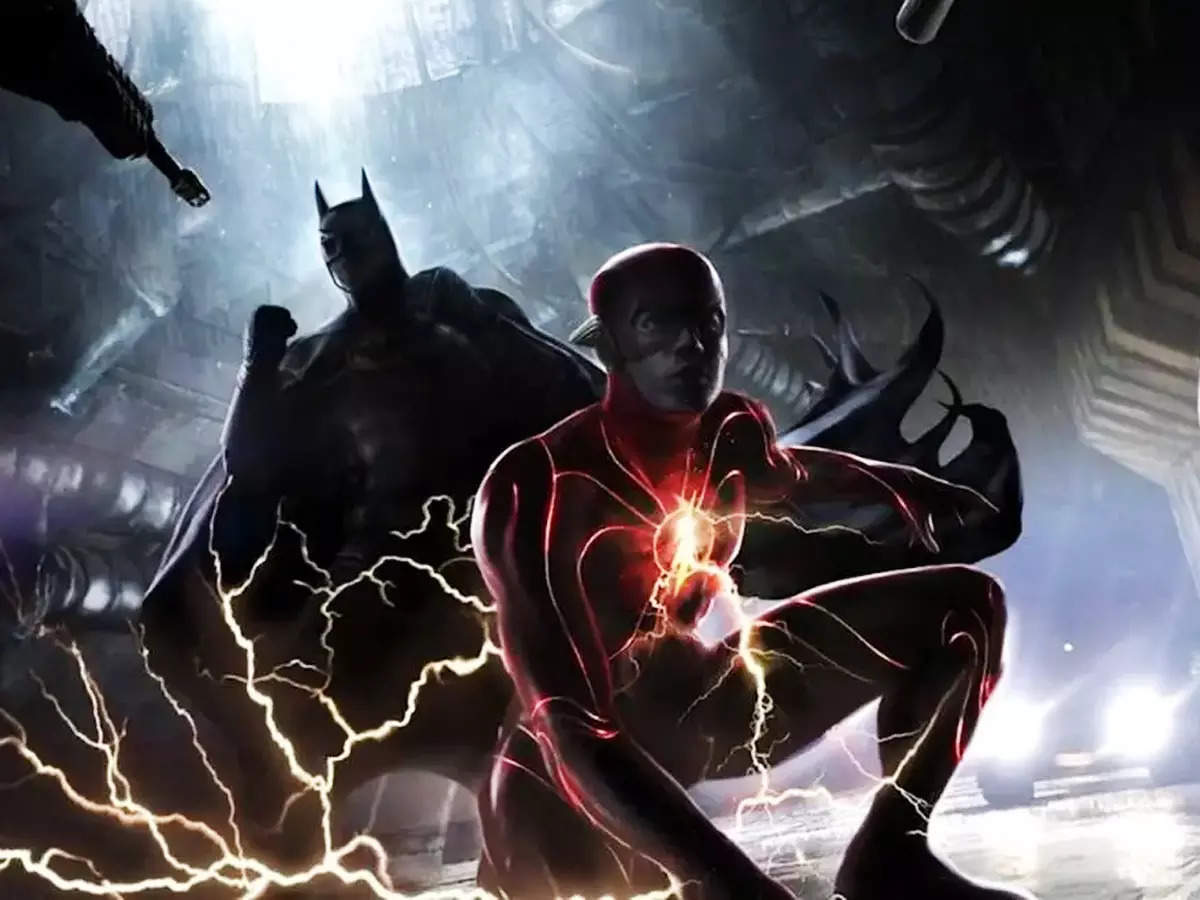
With James Gunn’s DC Takeover, the DCEU is being reset by Flashpoint. This may account for the resurgence of Flashpoint in main titles, but titles like Stargirl do not need those ties. They are pointless. And DC Animated movies—Flashpoint, Suicide Squad: Hell to Pay, Justice League Dark: Apokalypse War—all these films are awesome, but rely far too heavily on Flashpoints. While all of this is great for continuity, there is a point where it is too much. The market is oversaturated with Flashpoint.
Flashpoint Fatigue is at a high, we’re ready to move on.
DC, please stop with Flashpoint.
-Thom LaPorte
 Double-Sized Issue Reviews!
Leave a comment